Designing a Kitchen for the Way You Live
Planning a new kitchen design or rebuilding an existing one? While kitchen trends come and go, the best kitchens are designed around one thing that never goes out of style: how you actually live. Today’s kitchen is rarely just a place to cook. It might be the morning coffee station, homework zone, entertaining space, home office and social hub all rolled into one. So before choosing colours, handles or appliances, think about how you want your kitchen to function—and how you want it to feel.
Start with the way you live
A beautiful kitchen that doesn’t work for your household will quickly become frustrating. Think about who uses the kitchen, how many people cook at once, whether you entertain regularly and which appliances or ingredients you use every day. Do you need a generous island for family gatherings? A separate pantry? A hidden coffee station? More preparation space? Or perhaps a compact, highly efficient kitchen that connects seamlessly with your dining and living areas? There is no single perfect kitchen layout. L-shaped, galley, U-shaped and open-plan kitchens can all work brilliantly when the layout is designed around the space and the people using it.
Make the layout do the hard work
Good kitchen design is really about creating an easy flow between storage, preparation, cooking and cleaning. Think carefully about the position of your fridge, pantry, sink, dishwasher and cooking zone. You want enough uninterrupted bench space to prepare food without constantly moving things around. If you’re renovating, don’t automatically assume everything needs to move. Keeping plumbing and services relatively close to their existing positions can save considerably on construction costs—but don’t let this stop you from fixing a genuinely awkward layout if the budget allows, and remember to plan for the future. Appliance sizes change, families change and the way we use our homes changes too.
The island is more than a bench
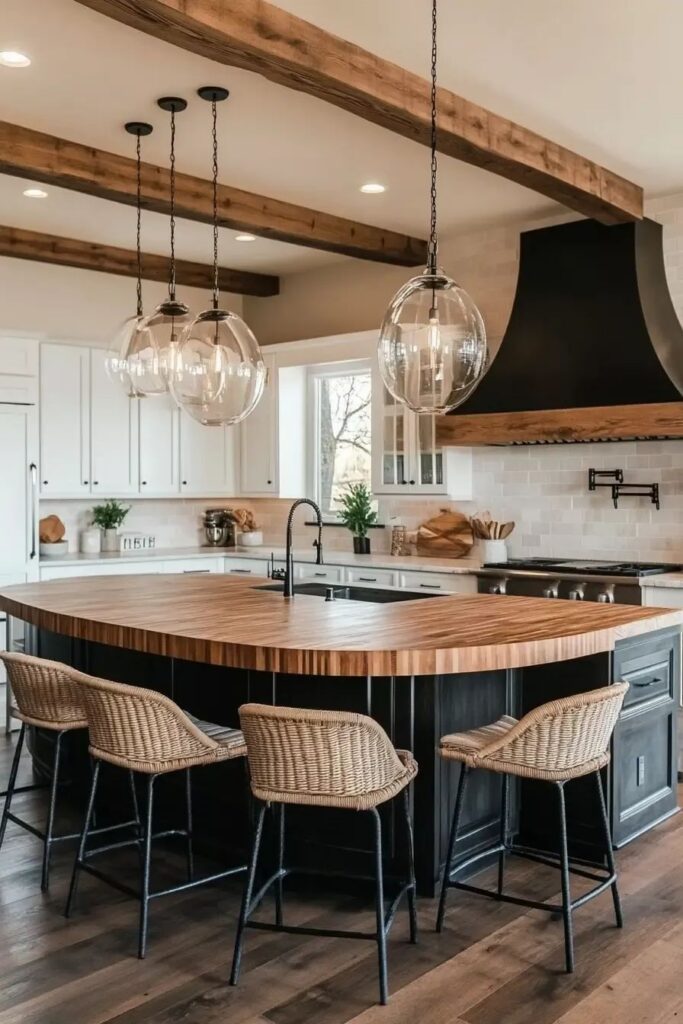
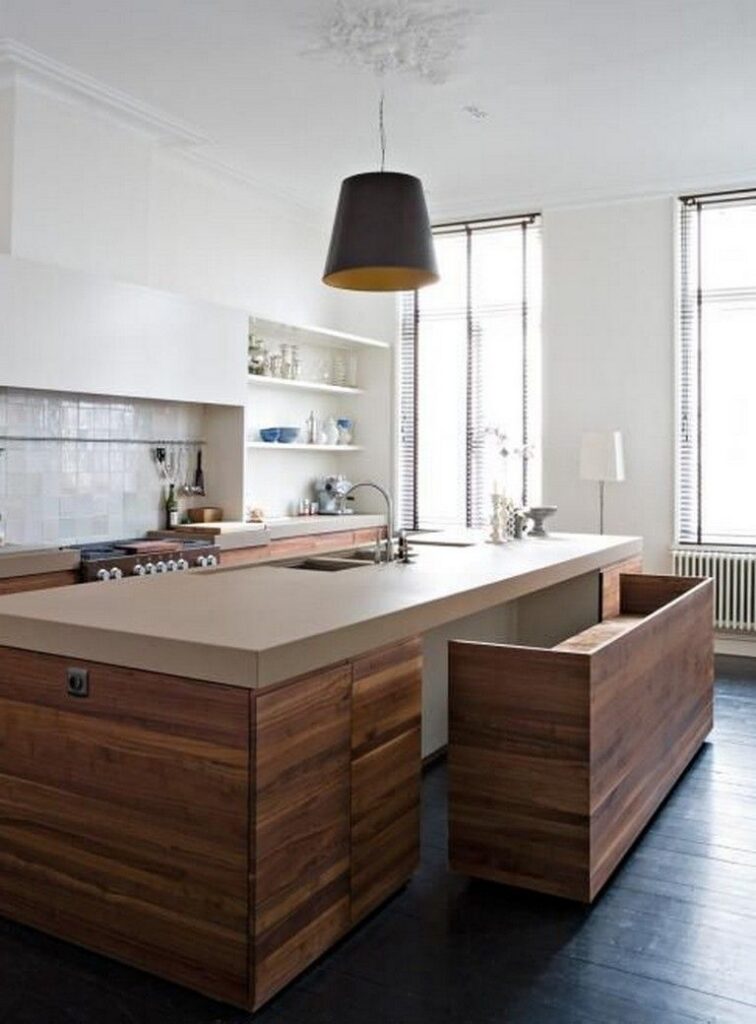
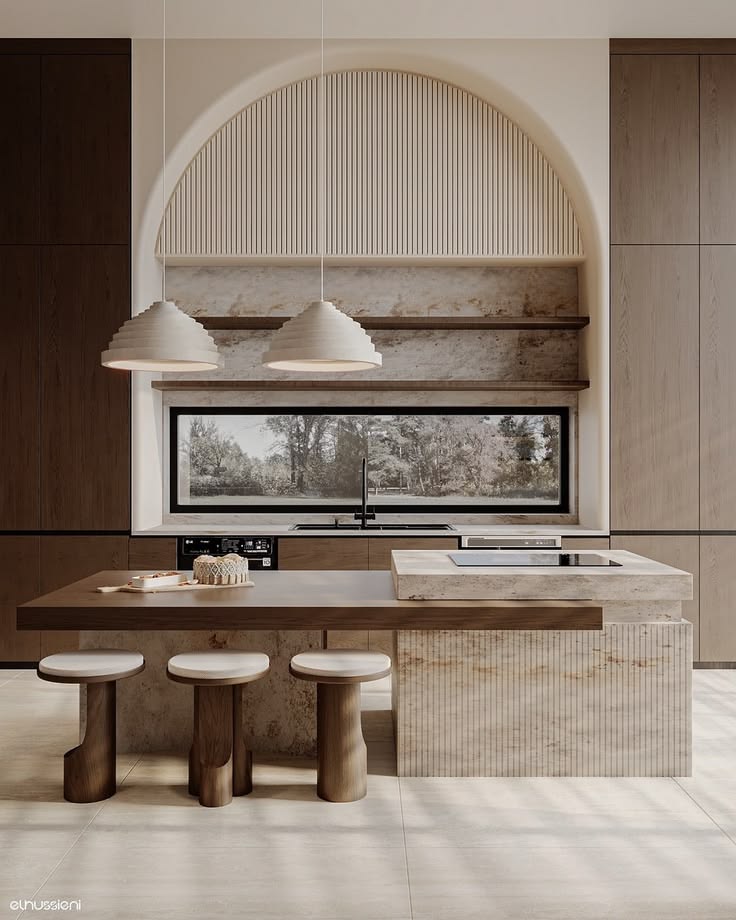
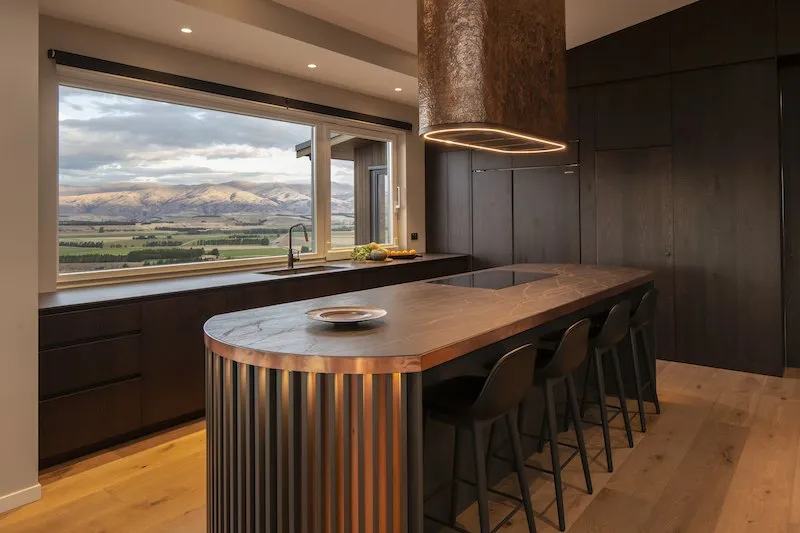
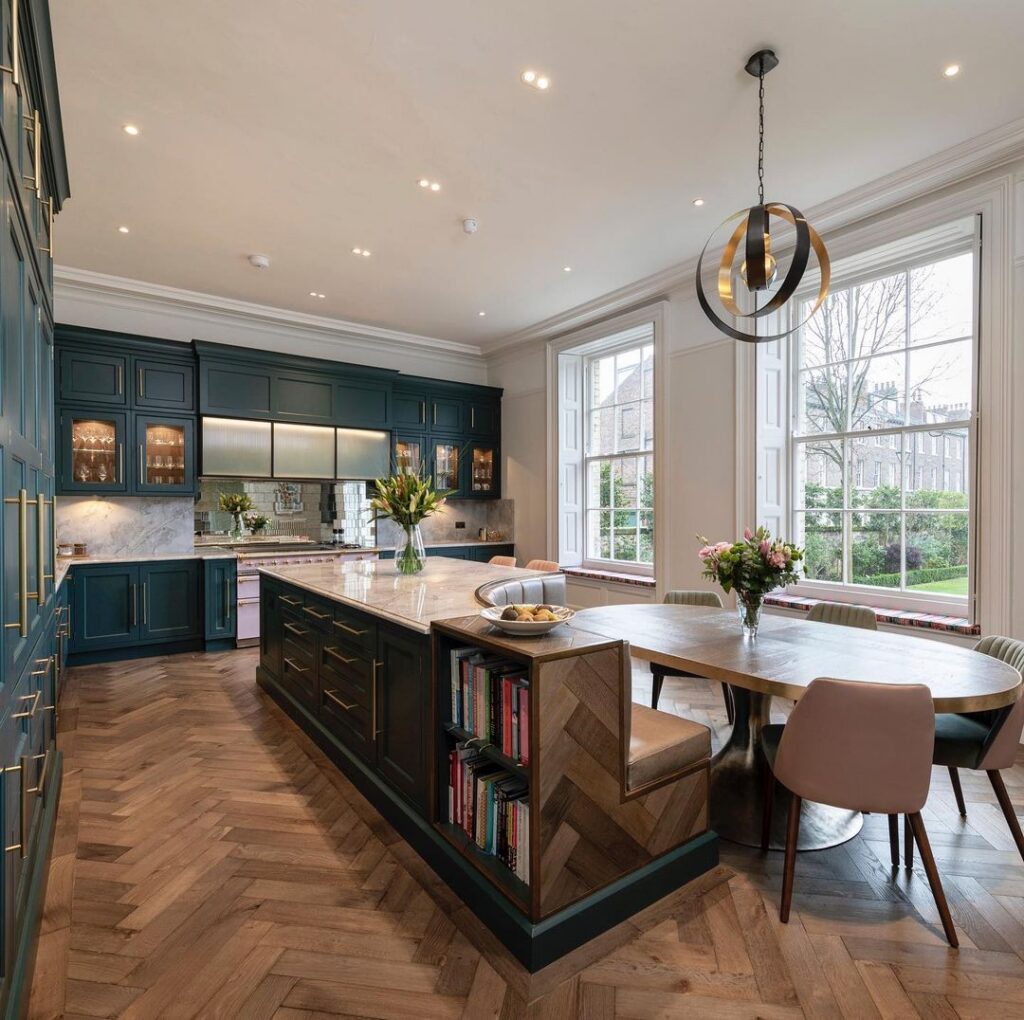
Kitchen islands remain an important feature, but today’s island is increasingly expected to do more. It might provide preparation space, casual dining, storage and a place for friends and family to gather while you cook. In open-plan homes, it can also act as the visual bridge between the kitchen and living areas. But bigger isn’t always better. An oversized island can restrict movement and make a kitchen feel crowded. Leave enough room around it for doors, drawers and people to move comfortably. If you want your kitchen to feel calm and uncluttered, consider whether the sink, appliances and everyday mess really need to be on display.
Storage is the secret to a beautiful kitchen
One of the biggest shifts in kitchen design is the move towards concealed, highly organised storage. Rather than displaying every appliance and kitchen gadget, consider appliance garages, integrated storage, deep drawers, pull-out pantries and dedicated spaces for small appliances. Full-height cabinetry can make excellent use of vertical space, while clever internal storage can transform awkward corners and deep cupboards. Think beyond food and cookware too. Where will the recycling go? What about cleaning products, serving platters, baking equipment, pet food or the things you use only occasionally? The more thoughtfully these items are stored, the easier it is to keep the kitchen looking calm.
Let materials bring the personality
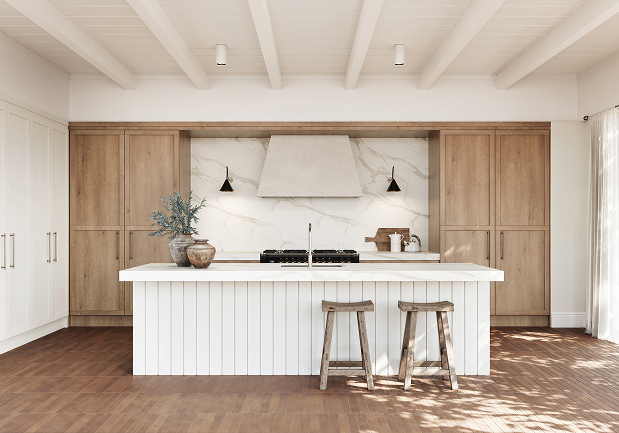
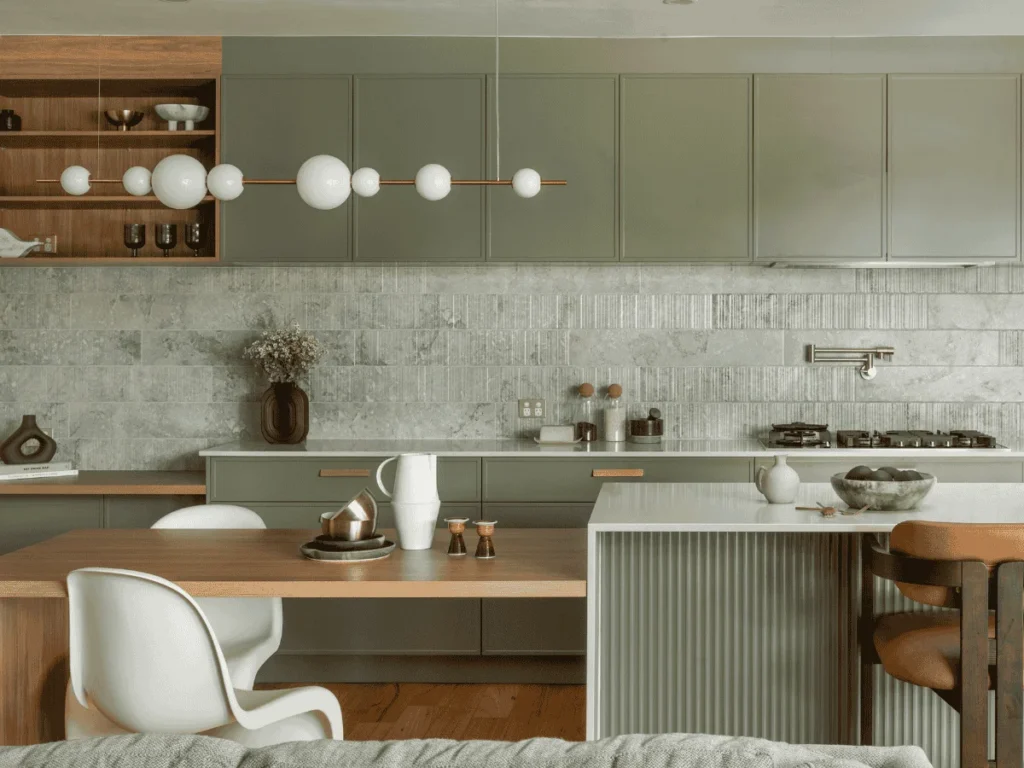
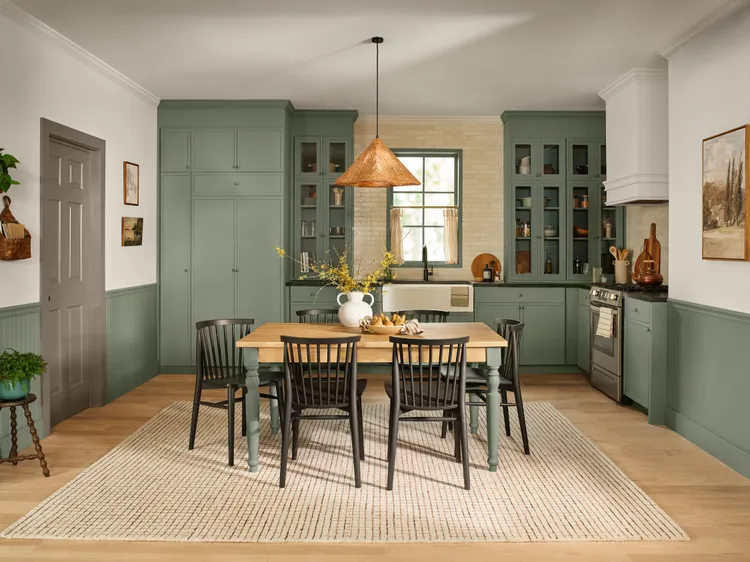
Kitchen design has moved well beyond the predictable white-and-grey formula. Natural timber, warm neutrals, earthy greens, deeper blues and richer tones are bringing more personality into contemporary kitchens. We’re also seeing greater interest in natural-looking materials, tactile finishes, stone-inspired surfaces, timber details and cabinetry colours that connect with the wider home. This doesn’t mean you need to follow every trend. Choose materials and colours that work with your home’s architecture and that you can imagine living with for years. The same thinking applies to the sink, tapware, splashback, handles and appliances. These functional elements can also become part of the overall design story. More about the latest kitchen trends…
Appliances: integrate or celebrate them
Modern kitchens increasingly hide appliances behind cabinetry for a streamlined appearance, while statement appliances can be used deliberately as a feature. Think about what deserves to be visible and what doesn’t. A quality rangehood and good extraction remain particularly important in an open-plan kitchen. Likewise, consider where ovens, microwaves, coffee machines and other frequently used appliances should sit so they are convenient without dominating the room.
Don’t forget lighting and power
Lighting deserves to be considered early rather than added at the end. You need a combination of general lighting, task lighting and feature lighting. Pendant lights can add personality above an island, while discreet LED lighting beneath cabinetry can provide useful task lighting and create a softer evening atmosphere.Plan power points around the way you actually use the kitchen—and remember the appliances that tend to multiply over time!
Colour isn’t just about the walls
Colour in a kitchen now comes from much more than paint. Cabinetry, stone, timber, splashbacks, flooring, tapware and appliances all contribute to the overall palette. This is particularly important when creating an open-plan kitchen. Rather than treating the kitchen as a completely separate room, consider how its colours and materials relate to the adjoining dining and living areas. A kitchen can be neutral without being bland. Texture, natural materials and subtle tonal variation can create a much more interesting result than simply adding a bold colour. For the latest colour trends…
Spend where it matters
A kitchen renovation can quickly grow beyond the original budget, so decide early where you want to invest. Perhaps it’s the benchtop, quality cabinetry hardware, appliances, lighting or beautiful tapware. Then identify the things you can compromise on. You don’t need every premium finish to create an impressive kitchen. Sometimes a simple cabinetry finish combined with a beautiful benchtop, great lighting and carefully chosen hardware creates a far more successful result. Don’t forget the cost of the less glamorous things—plumbing, electrical work, extraction, installation and building work can all make a significant difference to the final budget.
The best kitchen trend? Designing for you
The most successful kitchens aren’t necessarily the ones with the most fashionable cabinetry or the biggest island. They’re the kitchens where everything feels considered. Enough storage. Enough bench space. Good lighting. Easy movement. Quality materials. Appliances where you need them. And a design that feels connected to the way you live. Trends can provide inspiration, but your kitchen should ultimately be about your home, your lifestyle and the way you want to live in it.